Introduction
Northamptonshire has been called the county of squires and spires, and the second part of that phrase barely does justice to what is here. The county holds one of the finest collections of medieval parish churches in England, built from the same local stone that gives the villages their character. From the Saxon basilica at Brixworth, the largest substantially intact Anglo-Saxon building in the country, to the soaring Perpendicular tower at Fotheringhay, the churches chart a thousand years of architectural ambition in stone and glass.
Details in this guide were accurate at the time of research in March 2026. Churches are generally open during daylight hours but access can vary, particularly for smaller rural churches. Check before making a special journey.
The Great Churches
These are the churches that architectural historians travel from across the country to see. Each one represents the highest achievement of its period, and together they form a collection that few counties in England can match.
All Saints, Brixworth
Saxon
The largest substantially intact Anglo-Saxon building in England, dating from approximately AD 680
Founded as a daughter house of Medeshamstede (Peterborough) monastery
The earliest parts were built around AD 750 during the reign of King Aethelbald of Mercia
A ring crypt at the east end, one of only three in England, probably served as an ambulatory for pilgrims
An external stair turret climbs the west tower, one of only four such turrets in the country
Built from recycled Roman bricks (probably from Leicester), oolitic limestone and local Northamptonshire ironstone
The nave arcades originally opened onto side aisles or porticus, giving the church a basilican plan unique in England
The monastery was destroyed by the Danish invasion of 870; the church was repaired between 960 and 970
Free to visit with interpretive displays explaining the architectural history
Located in the large village of Brixworth, adjacent to Brixworth Country Park
Practical info:
Address: All Saints Church, Church Street, Brixworth NN6 9BZ
Website:www.brixworthchurch.org.uk
How to book: No booking required. Open during daylight hours.
Description: All Saints Brixworth is not just the most important church in Northamptonshire; it is one of the most significant buildings in England. Standing inside the nave, surrounded by walls that were built 1,300 years ago from recycled Roman materials, you are in a space that has been used for worship since the age of the Anglo-Saxon kingdoms. The ring crypt, the stair turret and the basilican plan make it architecturally unique, and the interpretive displays do a good job of explaining what you are looking at. No visit to the county’s churches should begin anywhere else.
Church of St Mary and All Saints, Fotheringhay
Perpendicular
One of the finest Perpendicular churches in England, with a magnificent octagonal lantern tower visible for miles across the Nene Valley
Built between 1411 and 1434 as a collegiate church for the House of York
Richard, Duke of York (father of Edward IV and Richard III) and his wife Cecily Neville are buried here
The lantern tower is the defining architectural feature, rising above the flat valley floor with extraordinary presence
The original church was larger, with a full collegiate choir that was demolished at the Dissolution
The fan-vaulted porch on the south side is a notable Perpendicular detail
The interior has a luminous quality created by the large Perpendicular windows and pale stone
The church stands in a small village with the earthworks of Fotheringhay Castle nearby
Free to visit with a well-maintained interior and informative guide leaflets
The setting on the River Nene, with water meadows stretching away in every direction, is exceptional
Practical info:
Address: Church of St Mary and All Saints, Fotheringhay PE8 5HZ
Website:www.thefriendsoffotheringhaychurch.com
How to book: No booking required. Open during daylight hours.
Description: Fotheringhay Church is the building that makes architects and casual visitors alike stop and stare. The lantern tower announces the church from every approach, rising above the flat Nene Valley with a confidence that is difficult to overstate. Inside, the Perpendicular windows flood the nave with light, and the Yorkist connections give the building a dynastic significance that adds weight to its architectural beauty. The demolished collegiate choir is a loss that the imagination struggles to calculate, but what survives is still one of the great parish churches of England.
Holy Sepulchre, Northampton
Norman
One of only four surviving medieval round churches in England, founded in approximately 1100
Built by Simon de Senlis, first Earl of Northampton, after his return from the First Crusade
Modelled on the Church of the Holy Sepulchre in Jerusalem, reflecting the Crusader connection
The circular nave is the oldest part, with later additions in the 13th and 14th centuries extending the building to the east
Eight massive circular piers support the round nave, creating a powerful spatial effect
The church is a Grade I listed building and a Scheduled Ancient Monument
Still an active parish church with regular services
Located in the centre of Northampton, on Sheep Street
Free to visit, though donations are appreciated
The rarest church plan in England, making this one of the most architecturally significant buildings in the county
Practical info:
Address: Church of the Holy Sepulchre, Sheep Street, Northampton NN1 2LU
Website: Search “Holy Sepulchre Northampton” for current details
How to book: No booking required. Open during daylight hours.
Description: The Holy Sepulchre is the church that surprises visitors to Northampton most, because a round church of Crusader origin is the last thing anyone expects to find on a side street in a Midlands town. The circular nave, supported by its eight massive piers, creates a space that feels fundamentally different from a conventional parish church, and the Crusader connection gives it a romance that few English churches can match. Simon de Senlis built it because he had seen Jerusalem, and something of that ambition survives in the stonework nine centuries later.
St Peter, Oundle
Medieval
A large medieval parish church dominating the centre of Oundle, with a striking spire visible from the surrounding countryside
The broach spire is an outstanding example of Early English Gothic work
The church dates primarily from the 13th century, with later additions and restorations
The interior contains notable medieval font, carved bench ends and stained glass
The churchyard is one of the most attractive in the county, with views over the town’s stone rooftops
St Peter’s serves as the parish church for Oundle and is a focus for the town’s community life
The architectural quality reflects Oundle’s medieval prosperity as a market town
Free to visit with good interpretive information
Located in the centre of Oundle, a short walk from the Market Place
The spire is one of the defining landmarks of the Nene Valley
Practical info:
Address: St Peter’s Church, Church Street, Oundle PE8 4EE
How to book: No booking required. Open during daylight hours.
Description: St Peter’s Oundle is the church that anchors one of Northamptonshire’s best market towns, and the broach spire is the first thing you see from every approach. The Early English Gothic work is of national quality, and the churchyard gives a perspective on the town that the streets below cannot provide. A visit combines naturally with a browse of Oundle’s shops and a walk along the river.
St Mary the Virgin, Higham Ferrers
Medieval
A large and richly decorated medieval parish church in the centre of Higham Ferrers
The double-sided carved doorway on the west front is one of the finest in England
The church was extensively rebuilt in the 13th century with substantial later additions
The spire rises to approximately 170 feet and is a landmark across the Nene Valley
The interior contains medieval screens, a notable font and a series of carved misericords
The Bede House and Chichele College adjacent to the church form a remarkable medieval precinct
Archbishop Henry Chichele, founder of All Souls College, Oxford, was born in Higham Ferrers
The combined church, Bede House and college make this one of the most complete medieval ecclesiastical sites in the county
Free to visit with good interpretive materials
Located in Higham Ferrers town centre, accessible from the A6
Practical info:
Address: St Mary the Virgin, High Street, Higham Ferrers NN10 8BW
How to book: No booking required. Open during daylight hours.
Description: Higham Ferrers church deserves to be far better known than it is. The carved west doorway alone would justify the visit, but the combination of church, Bede House and Chichele College creates a medieval precinct that is remarkable for a small market town. The Chichele connection to All Souls, Oxford gives the site a scholarly significance, and the quality of the carving throughout reflects the patronage of an Archbishop who wanted his birthplace to be worthy of his ambition.
St Mary the Virgin, Warmington
Medieval
An outstanding Early English Gothic church near Oundle, described by Pevsner as one of the best of its date in England
The west tower and spire form a particularly fine composition
The interior retains its medieval proportions and has notable Early English lancet windows
The church dates primarily from the 13th century
The churchyard setting above the village provides views across the Nene Valley
A less-visited church than Fotheringhay or Brixworth, offering a quieter experience
The village of Warmington itself is attractive, with stone cottages and a village green
Free to visit
Located on the A605 between Oundle and Peterborough
A church for visitors who appreciate architectural quality over headline fame
Practical info:
Address: St Mary the Virgin, Church Lane, Warmington PE8 6TE
How to book: No booking required. Open during daylight hours.
Description: Warmington church is the connoisseur’s choice in the Nene Valley. Pevsner’s praise of it as one of the best Early English churches of its date in England is not given lightly, and the architectural quality is evident in the proportions, the lancet windows and the overall harmony of the composition. The village setting above the valley adds to the experience, and the relative lack of visitors means you can study the stonework at your own pace.
Village Churches of the Nene Valley and North
The villages of the Nene Valley and north Northamptonshire contain a chain of parish churches that collectively represent one of the finest groups of medieval architecture in rural England. Most are built from local limestone and Collyweston slate, and many remain unlocked during daylight hours.
All Saints, Earls Barton
Saxon
Famous for its Anglo-Saxon tower, one of the best preserved and most visually striking in England
The tower dates from the late 10th century and features distinctive long-and-short stonework and decorative pilaster strips
The pilaster strip decoration has been compared to timber-framing translated into stone
The tower is the only substantially Saxon element; the body of the church was rebuilt in the Norman and later periods
A Grade I listed building and one of the most illustrated churches in English architectural history
The village of Earls Barton is accessible from the A45 between Northampton and Wellingborough
Free to visit with interpretive information about the Saxon architecture
The tower’s decorative patterns are best seen in afternoon sunlight from the churchyard
The church sits in the centre of the village, surrounded by a well-maintained churchyard
After Brixworth, this is the most important Saxon church in the county
Practical info:
Address: All Saints Church, Earls Barton, Northampton NN6 0DA
How to book: No booking required. Open during daylight hours.
Description: Earls Barton tower is the image that represents Anglo-Saxon architecture in most textbooks, and seeing it in person explains why. The decorative pilaster strips create patterns in the stonework that look like textile or woodwork translated into stone, and the effect in the right light is extraordinary. The rest of the church has been rebuilt over the centuries, but the tower remains essentially as it was built over a thousand years ago. It stands in the centre of a working village rather than in an open landscape, which gives it a domestic scale that adds to its impact.
St Mary the Virgin, Titchmarsh
Perpendicular
A large Perpendicular church in the Nene Valley village of Titchmarsh, known for its magnificent tower
The tower is considered one of the finest Perpendicular towers in the county
The church dates from multiple periods but the Perpendicular work dominates
The interior contains notable medieval woodwork and a 15th-century font
The church is associated with John Dryden, the poet laureate, who was born in the neighbouring village of Aldwincle
The churchyard provides views across the Nene Valley
Free to visit
Located between Thrapston and Oundle
A less-visited church that rewards those who seek it out
The tower’s proportions and detailing are best appreciated from the surrounding footpaths
Practical info:
Address: St Mary the Virgin, Titchmarsh, Kettering NN14 3DA
How to book: No booking required. Open during daylight hours.
Description: Titchmarsh church is one of those buildings where the tower makes you stop the car. The Perpendicular work is of exceptional quality, and the proportions are so well judged that the tower looks both massive and elegant simultaneously. The Dryden connection adds literary interest, and the Nene Valley setting means the church sits in a landscape that has barely changed since the tower was built.
St Andrew, Brigstock
Norman
A church with notable Saxon and Norman survivals in the Rockingham Forest village of Brigstock
The Saxon stair turret on the tower is one of the most significant pre-Conquest features in the county
Norman work includes the south doorway and elements of the nave
Brigstock was one of the three administrative centres of Rockingham Forest in the medieval period
The church reflects the village’s historical importance as a forest settlement
The interior has been modified over the centuries but retains its medieval character
The churchyard includes ancient yews
Free to visit
Located on the A6116 between Corby and Thrapston
A church that rewards careful looking, with layers of history visible in the fabric
Practical info:
Address: St Andrew’s Church, Brigstock, Kettering NN14 3HG
How to book: No booking required. Open during daylight hours.
Description: Brigstock church is a building to read slowly. The Saxon stair turret, the Norman doorway and the later medieval modifications create a layered history that is visible in the stonework if you take the time to look. The village’s importance as a forest administrative centre explains the quality of the building, and the ancient yews in the churchyard add to the sense of deep time.
St Mary, Finedon
Medieval
A large medieval church in the town of Finedon with an imposing west tower
The tower is one of the finest in the county, with elaborate Decorated Gothic detailing
The church contains medieval carved bench ends and misericords
The Dolben family monuments in the church reflect the connection to a family that held the manor for centuries
The interior has a spacious quality created by the height of the nave
Finedon is a small ironstone town between Wellingborough and Kettering
Free to visit
The Decorated Gothic tower detailing rewards close study
The churchyard provides a quiet space in the town centre
Often overlooked in favour of Fotheringhay and Brixworth, but architecturally significant
Practical info:
Address: St Mary’s Church, Church Hill, Finedon NN9 5NA
How to book: No booking required. Open during daylight hours.
Description: Finedon church is the building that local architects admire most. The Decorated Gothic tower has a richness of detail that sets it apart from the plainer towers in the surrounding villages, and the Dolben monuments give the interior a family narrative that spans centuries. It does not have the headline fame of Brixworth or Fotheringhay, but the quality of the work places it firmly in the county’s top tier.
St Leonard, Rockingham
Norman
The parish church of Rockingham, standing in the grounds of the castle
Norman origins with later medieval additions
The church’s position within the castle grounds is unusual and reflects Rockingham’s history as a royal castle
The interior contains medieval wall paintings and carved stonework
The churchyard overlooks the Welland Valley with expansive views into Leicestershire
Access is through the village, past the thatched ironstone cottages
Free to visit when the castle grounds are accessible
The combination of church, castle and village creates one of the most complete medieval landscapes in the county
The intimate scale of the church contrasts with the grandeur of the castle above
A church that is best visited as part of a broader exploration of the village and castle
Practical info:
Address: St Leonard’s Church, Rockingham, Market Harborough LE16 8TG
How to book: No booking required when accessible.
Description: St Leonard’s Rockingham gains power from its setting. Standing within the castle grounds, overlooking the Welland Valley, with the thatched ironstone cottages of the village falling away below, it occupies one of the most dramatic positions of any parish church in the county. The building itself is modest in scale but the medieval wall paintings and the Norman fabric give it a historical weight that justifies a careful visit.
St Peter and St Paul, Preston Capes
Medieval
A small medieval parish church in the hilltop village of Preston Capes near Daventry
The church dates from the 12th century with later additions
A Cluniac priory was founded here in 1090, though it was later removed to Daventry
The setting on the hilltop, surrounded by stone cottages and open farmland, is one of the most peaceful in the county
The interior retains its medieval character with a simplicity that larger churches have lost through restoration
The churchyard provides views across the south Northamptonshire countryside
Free to visit
The narrow lanes approaching the village add to the sense of discovery
One of the quietest and most atmospheric small churches in the county
Best visited in combination with walks to Canons Ashby or Badby
Practical info:
Address: Church of St Peter and St Paul, Preston Capes, Daventry NN11 3TB
How to book: No booking required. Open during daylight hours.
Description: Preston Capes church is the kind of building that rewards silence. The small medieval interior, unrestored and unshowy, has an atmosphere that comes from centuries of use rather than architectural grandeur. The hilltop setting and the quiet approach through narrow lanes prepare you for a place that feels removed from the modern world in a way that busier churches, however beautiful, cannot quite achieve.
All Saints, Croughton
Medieval
A small church near Brackley notable for its exceptional 14th-century wall paintings
The wall paintings are among the most complete and best preserved medieval cycles in England
Scenes include the life of the Virgin Mary and the Passion of Christ
The paintings were covered with whitewash at the Reformation and only rediscovered in the 19th century
English Heritage has been involved in the conservation of the paintings
The church is otherwise modest in scale, which makes the quality of the paintings all the more striking
Located in the village of Croughton, between Brackley and the A43
Free to visit, though the church may be locked; a keyholder notice is displayed
The paintings require natural light to appreciate fully, so visit on a bright day
One of the most significant medieval art survivals in the county
Practical info:
Address: All Saints Church, Croughton, Brackley NN13 5LR
How to book: No booking required. Check keyholder notice if locked.
Description: Croughton’s wall paintings are the art-historical discovery that nobody expects in a small south Northamptonshire village. The quality and completeness of the 14th-century cycle is remarkable, and the fact that the paintings survived under whitewash for centuries before being rediscovered adds to the wonder. The church is otherwise simple, which concentrates attention on the paintings themselves. Visit on a sunny day when the natural light brings the colours to life.
South and West Northamptonshire
The churches of south and west Northamptonshire reflect the transition from the limestone of the Nene Valley to the ironstone of the border country. The spires and towers here are often more modest than those in the north, but the interiors hold surprises that reward the curious.
St Peter and St Paul, King’s Sutton
Medieval
A church with one of the finest spires in England, often described alongside Bloxham and Adderbury as one of the three finest in the Cherwell Valley
The spire dates from the 14th century and rises to approximately 198 feet
The crocketed spire is a masterpiece of Decorated Gothic design
The church sits on the Northamptonshire and Oxfordshire border, near Banbury
The interior contains medieval sedilia, piscina and carved capitals
The churchyard is well maintained with views towards the surrounding countryside
Free to visit
Located in the village of King’s Sutton, accessible from the A4260
The spire is best photographed from the surrounding fields, where the full height is apparent
A church that competes with the best in the Cotswolds for spire quality
Practical info:
Address: Church of St Peter and St Paul, King’s Sutton OX17 3RF
How to book: No booking required. Open during daylight hours.
Description: King’s Sutton spire is one of the great sights of the county border, rising with a grace that makes it visible for miles across the Cherwell Valley. The Decorated Gothic crocketing gives the spire a texture that plain spires lack, and the overall composition of tower and spire is judged to be among the finest in England. The church sits at the county’s southernmost edge, which means many Northamptonshire visitors overlook it, but the spire alone justifies the detour.
All Saints, Middleton Cheney
Medieval
A large medieval church in south Northamptonshire with notable 14th-century stained glass
The east window contains Decorated period glass that is among the finest medieval glass in the county
The church was used as a strongpoint during the Battle of Edgehill in 1642, the first major engagement of the English Civil War
Bullet holes from the Civil War engagement are reportedly visible in the south door
The building dates from the 13th and 14th centuries with later modifications
The interior contains medieval features including carved capitals and screens
Located in the village of Middleton Cheney near Banbury
Free to visit
The Civil War connection adds a historical dimension beyond the architecture
A church where art history and military history intersect
Practical info:
Address: All Saints Church, Middleton Cheney, Banbury OX17 2ND
How to book: No booking required. Open during daylight hours.
Description: Middleton Cheney church holds two distinct surprises: the Decorated stained glass, which is of national importance, and the Civil War connection, which gives the building a violent history that its peaceful village setting does not suggest. The glass survives from the 14th century and rewards careful study, while the bullet holes in the south door are a vivid reminder that churches have served as fortifications as well as places of worship.
St Mary, Canons Ashby
Medieval
A medieval priory church standing in the grounds of the National Trust’s Canons Ashby estate
Originally part of an Augustinian priory founded in the 12th century
Only the nave of the original priory church survives; the chancel and tower were lost at the Dissolution
The interior contains medieval wall paintings and 16th-century Dryden family monuments
The church is open to visitors when the Canons Ashby estate is open
The setting beside the Elizabethan manor house creates one of the most atmospheric ecclesiastical sites in the county
The medieval wall paintings, though fragmentary, are of significant historical interest
The Dryden monuments trace the family who owned the estate for over 400 years
Free to enter with National Trust admission to the grounds
The combination of priory church, manor house and formal gardens makes Canons Ashby a complete medieval landscape
Practical info:
Address: Canons Ashby, Daventry NN11 3SD
Website:www.nationaltrust.org.uk/canons-ashby
How to book: Check the National Trust website for opening times.
Description: The priory church at Canons Ashby is a building that tells two stories: the medieval priory that stood here before the Dissolution, and the Dryden family who lived beside it for centuries afterwards. The truncated plan, with the chancel and tower lost to history, gives the surviving nave a quality of incompleteness that is strangely moving. The wall paintings and monuments add layers to the visit, and the setting beside the Elizabethan house creates a landscape that has barely changed in four hundred years.
St Andrew, Greens Norton
Medieval
A well-preserved medieval church in the village of Greens Norton near Towcester
The church contains a notable collection of medieval carved bench ends
The tower is a good example of local Perpendicular work
The interior retains its medieval proportions and has not been heavily restored
The bench ends include figurative and decorative carvings of high quality
The village is an attractive ironstone settlement with a quiet character
Free to visit
Located just south of Towcester, accessible from the A5
A church that rewards careful attention to the woodwork rather than the architecture alone
The carved bench ends are among the best in the county
Practical info:
Address: St Andrew’s Church, Greens Norton, Towcester NN12 8BS
How to book: No booking required. Open during daylight hours.
Description: Greens Norton church is the one to visit for medieval woodwork. The carved bench ends are a collection that many larger churches would envy, and the quiet village setting means you can study them at your own pace. The church has the quality of a building that has been looked after rather than heavily restored, and that restraint gives it an authenticity that more famous churches sometimes lack.
All Saints, Weston Favell
Saxon
A church on the eastern edge of Northampton with notable Saxon tower fabric
The lower stages of the tower date from the Saxon period and contain characteristic long-and-short quoining
The church has been modified and extended over the centuries but the Saxon origins remain visible
The churchyard is now surrounded by suburban development, giving the Saxon tower an incongruous setting
Free to visit
Located in the Weston Favell area of Northampton
The Saxon tower fabric is visible externally and is best seen from the south side
A reminder that Northamptonshire’s Anglo-Saxon heritage extends beyond the well-known churches at Brixworth and Earls Barton
The contrast between the ancient tower and the modern surroundings is striking
A church for dedicated architectural enthusiasts rather than casual visitors
Practical info:
Address: All Saints Church, The Green, Weston Favell, Northampton NN3 3JT
How to book: No booking required.
Description: Weston Favell is the church that proves Northamptonshire’s Saxon heritage is more widespread than the famous examples at Brixworth and Earls Barton suggest. The Saxon tower fabric, standing in a suburban churchyard, is a reminder that every village in the county has been here for a very long time, even when the modern surroundings suggest otherwise.
St Mary Magdalene, Castle Ashby
Georgian and later
The estate church at Castle Ashby, standing in the grounds of the Compton family’s ancestral home
The church was substantially rebuilt in the 18th century, giving it a Georgian character unusual in the county
The interior contains Compton family monuments spanning several centuries
The setting in the Castle Ashby estate grounds, surrounded by Capability Brown parkland, is exceptional
The Georgian rebuilding includes fine plasterwork and a light, elegant interior
The family monuments include significant sculptural work
Access is through the Castle Ashby estate, making it best visited in combination with the gardens
Free to visit when the grounds are accessible
The Georgian church architecture provides a contrast to the medieval churches that dominate the county
A church for visitors interested in the later history of English country house religion
Practical info:
Address: St Mary Magdalene, Castle Ashby NN7 1LF
How to book: No booking required.
Description: Castle Ashby church offers a different perspective on Northamptonshire’s ecclesiastical architecture. Where most churches in the county are medieval in origin, this one wears its Georgian rebuilding with confidence, and the result is an interior that is lighter and more elegant than the typical parish church. The Compton family monuments are the main draw for historians, and the Capability Brown parkland outside places the church in one of the most carefully designed landscapes in the county.
St Leodegarius, Ashby St Ledgers
Medieval
The parish church of Ashby St Ledgers, dedicated to St Leodegarius (St Ledger), giving the village its distinctive name
The church has medieval origins with later modifications
The village is historically associated with the Gunpowder Plot of 1605
The Catesby family, who led the Gunpowder Plot, worshipped here
The interior contains medieval features including an early font
The dedication to St Leodegarius is rare in England and reflects Norman French influence
The church stands near the manor house where the plotters are believed to have met
Free to visit
Located just north of Daventry
A church where architecture and history are inseparable from the drama of the Gunpowder Plot
Practical info:
Address: Church of St Leodegarius, Ashby St Ledgers, Daventry NN11 3RB
How to book: No booking required. Open during daylight hours.
Description: The church at Ashby St Ledgers sits at the heart of one of the most dramatic stories in English history. The Catesby family worshipped here, the manor house where the Gunpowder Plot was planned is visible from the churchyard, and the rare dedication to St Leodegarius gives the building an identity that is unlike any other church in the county. The architecture is secondary to the history here, but the medieval fabric and the quiet village setting create an atmosphere that makes the Gunpowder Plot feel closer than four centuries.
Seasonal Highlights
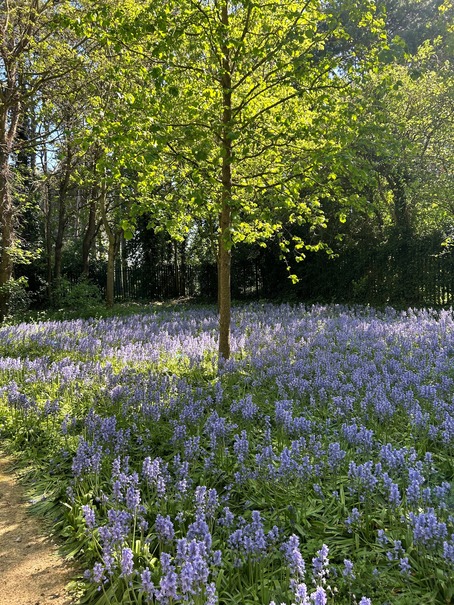
Spring: Churches look their best when low spring sunlight streams through medieval windows. Churchyard wildflowers peak in April and May. Easter services at the major churches draw congregations and are often followed by open access to areas normally closed.
Summer: The longest days provide the best natural light for studying stained glass and wall paintings. Many churches participate in Heritage Open Days in September, offering access to towers and areas not normally open. The stone is warmest in summer afternoon light.
Autumn: Harvest festivals in October fill churches with decorations and bring communities together. The ironstone churches of the Welland Valley glow amber in autumn light. Visitor numbers drop, making it easier to spend time studying architectural details.
Winter: Medieval churches in winter have a stark beauty, with bare trees revealing the full silhouette of towers and spires. Christmas services fill even small village churches. The cold focuses attention on the stonework rather than the setting.
A Note From NorthantsLife
Northamptonshire’s churches are among the county’s greatest treasures, and they are overwhelmingly free to visit. The parish churches in this guide represent a thousand years of building in stone, and they survive because communities have maintained them through every change in fashion and fortune. Leaving a donation in the box by the door is a small way to help that continue.
If any details in this guide have changed, or if there is a church we should include, please get in touch.
Before You Go
Most churches are open during daylight hours, but smaller rural churches may be locked with a keyholder notice displayed
Carry a torch for studying details in darker interiors, particularly wall paintings and carved stonework
Binoculars are useful for studying tower details, carved capitals and stained glass at height
Photography is generally permitted but check for any notices restricting it, particularly during services
Leave a donation: parish churches rely on voluntary contributions for maintenance and heating
Combine church visits with village walks and pub stops for a full day’s exploration
Pevsner’s Buildings of England volume for Northamptonshire is the essential reference for serious church visitors
Heritage Open Days in September offer access to churches and features not normally open to the public
The county’s churches are generally well signposted, but a satnav postcode is useful for remote villages
Brixworth and Earls Barton are the two essential Saxon churches; Fotheringhay and Croughton are the essential medieval visits