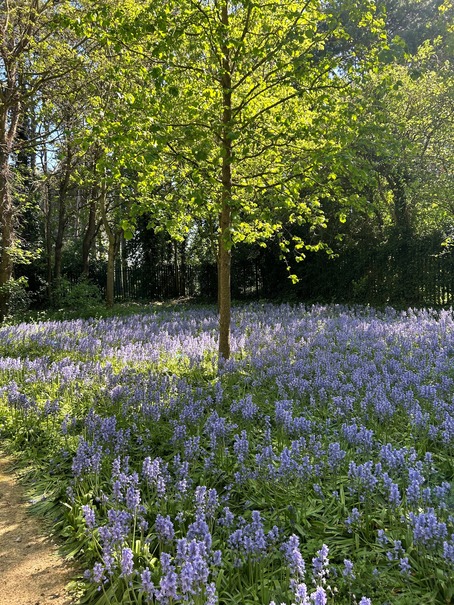
Northamptonshire is home to remarkable wildlife and natural habitats, from ancient woodlands and wetland reserves to thriving populations of red kites. This guide showcases the county’s finest locations for wildlife watching and nature exploration, whether you’re a keen birder, butterfly enthusiast, or simply seeking to reconnect with the natural world.
All details were accurate at the time of research in 2026. Opening times, prices and availability can change, so we recommend checking directly before visiting.
Nature Reserves and Wildlife Trust Sites
Summer Leys Nature Reserve, near Wollaston
Wildlife Trust Site
Important bird habitat transformed from former gravel workings
Managed by Northamptonshire Wildlife Trust with multiple viewing hides
Winter wildfowl include wigeon, teal and pochard
Bittern and kingfisher sightings recorded in spring and summer
Shallow lakes and reed beds provide ideal wetland habitat
Great crested grebes present year-round
Visitor facilities include car park and observation areas
Excellent for photography and wildlife sketching
Peak visiting season: autumn and winter for wildfowl
Location: Near Wollaston, south of Wellingborough
Access: Car park with public footpaths; hides accessible for members
Best Time: October to February for winter wildfowl
Contact: Northamptonshire Wildlife Trust
Summer Leys represents one of Northamptonshire’s success stories in habitat restoration. The reserve has been carefully managed to create diverse wetland environments, attracting a shifting community of birds throughout the year. Winter brings concentrations of dabbling ducks, whilst spring sees the arrival of breeding birds and passage migrants.
Pitsford Water Nature Reserve
SSSI & Wildlife Trust Site
North end of Pitsford Reservoir designated as an SSSI
Multiple bird observation hides positioned for optimal viewing
Winter wildfowl including pochard, tufted duck and wigeon
Osprey passage in spring and autumn migrants
Well-maintained nature trails around the water margins
Managed by Northamptonshire Wildlife Trust
Visitor centre with interpretation and facilities
Great crested grebe breeding population
Educational programs and guided walks available
Location: North end of Pitsford Reservoir, near Northampton
Access: Visitor facilities, car park, accessible trails
Best Time: April to September for migrants; October to March for wintering wildfowl
Contact: Northamptonshire Wildlife Trust
Pitsford Water is one of Northamptonshire’s premier birdwatching destinations. The large reservoir creates a magnet for migratory and wintering wildfowl, whilst the carefully managed shoreline attracts passage waders during migration periods. The SSSI designation reflects its international importance for overwintering populations.
Farthinghoe Nature Reserve
Wildlife Trust Site
Wildflower meadows rich in spring and summer interest
Marbled white and common blue butterfly colonies
Wild orchids including green-winged and fragrant species
Views across the Cherwell Valley landscape
Grassland birds including skylark and yellow wagtail
Traditional meadow management preserves botanical interest
Walking trails through the reserve
Spring visits rewarding for wildflower photography
Limited visitor facilities; accessible by foot from car park
Location: Farthinghoe, south Northamptonshire
Access: Public footpaths, car park nearby
Best Time: May to July for wildflowers and butterflies
Contact: Northamptonshire Wildlife Trust
Farthinghoe demonstrates the ecological richness of traditional English grassland. The reserve maintains flower-rich meadows that support populations of specialist butterfly species, creating a refuge for insects increasingly rare elsewhere in the county. Early morning visits in summer offer the best butterfly activity.
Glapthorn Cow Pastures
Ancient Grassland
Ancient grassland near Oundle with nationally rare butterfly species
Black hairstreak butterfly colony, one of few UK populations
Spring wildflowers including early purple orchid and cowslip
Horseshoe and chalkhill blue butterflies present
Rolling grassland with scattered scrub habitat
Good views across the surrounding countryside
Limited public access; check permissions before visiting
Important conservation site managed for butterfly conservation
Grassland birds including stone chat and whinchat
Location: Glapthorn, near Oundle, east Northamptonshire
Access: Limited public access; check locally
Best Time: June to August for black hairstreak butterflies
Contact: Local conservation groups
Glapthorn Cow Pastures is a conservation site of national significance. The black hairstreak butterfly, a species requiring specific habitat conditions, maintains a precarious UK distribution. This reserve represents a crucial stronghold for the species and demonstrates the value of traditional grassland management in supporting rare wildlife.
Short Wood, near Oundle
Ancient Woodland
Ancient woodland with managed walking paths
Spring bluebells create stunning displays in April and May
Dormouse population indicates healthy woodland ecosystem
Great spotted and green woodpeckers present
Nuthatches and treecreepers in mature trees
Bluebells and wood anemones carpet the woodland floor
Rich insect and fungal communities
Springtime visits offer exceptional wildflower interest
Accessible for families with good path networks
Location: Near Oundle, east Northamptonshire
Access: Managed walking trails from car park area
Best Time: April to May for bluebells; year-round for woodland birds
Contact: Woodland management body
Short Wood epitomises the ancient woodland character of the Oundle area. The presence of dormice indicates a healthy, well-structured woodland with good understory development. Spring visits are transformed by sweeping bluebells, but the woodland offers year-round interest for anyone seeking woodland birds and insects.
Old Sulehay Forest
Wildlife Trust Site
Ancient woodland and former quarry near Nassington
Diverse butterfly populations including rare species
Wild orchid colonies in open areas
Great crested and smooth newt populations
Managed by Northamptonshire Wildlife Trust for conservation
Varied habitats create exceptional biodiversity
Geological interest with former quarry features
Walking trails through woodland and open areas
Important conservation site with restricted access in parts
Location: Near Nassington, north-central Northamptonshire
Access: Managed access; contact Wildlife Trust for visitor information
Best Time: May to July for butterflies and orchids; April for newt activity
Contact: Northamptonshire Wildlife Trust
Old Sulehay Forest represents a fascinating mosaic of woodland, open woodland, and scrubland habitats. The former quarry geology creates unique features that support specialist plant and animal communities. The site demonstrates how even former industrial land can be transformed into valuable wildlife habitat through conservation management.
Titchmarsh Nature Reserve
Local Nature Reserve
Local Nature Reserve along the River Nene
Named connection to renowned television gardener and naturalist
Active heronry with breeding grey herons
Wetland birds including marsh harrier and water rail
Riverside woodland with willows and alders
Spring and summer visits ideal for breeding bird interest
Good access from Titchmarsh village
Interpretation boards and marked trails
Important site within the wider Nene Valley nature corridor
Location: Titchmarsh, east Northamptonshire
Access: Local Nature Reserve with public access and marked trails
Best Time: April to August for breeding birds; year-round for riverside walks
Contact: Northamptonshire Wildlife Trust
Titchmarsh Nature Reserve offers one of the county’s finest opportunities to observe breeding wetland birds. The active heronry attracts birdwatchers throughout the breeding season, and the riverside woodlands support a diverse community of woodland species. The river corridor links to wider conservation networks across the Nene Valley.
Woodland, Forest and Red Kite Country
Rockingham Forest
Ancient Royal Forest
Once a vast royal hunting forest dating back to medieval times
Red kites reintroduced in 2000 and now thriving
Fineshade Wood and Wakerley Great Wood are significant components
Ancient oak trees with hundreds of years of growth
Fragmented but still ecologically significant woodland system
Walking and cycling trails through forest areas
Multiple visitor facilities and car parks
Red kites now common sighting especially north of Corby
Rich woodland bird and insect populations
Location: North-central Northamptonshire, centred around Corby and Rockingham
Access: Multiple access points, car parks at key locations
Best Time: Spring for nesting birds; year-round for red kite watching
Contact: Forestry England, local visitor centres
Rockingham Forest retains its character as an extensive forest complex despite fragmentation over centuries. The medieval hunting forests have evolved into important ecological networks. The red kite reintroduction success has made this region a world-renowned conservation achievement, transforming the landscape into a living demonstration of wildlife recovery.
Red Kites over Northamptonshire
Red Kite Territory
Reintroduction program began in Rockingham Forest in 2000
Now common sight across north and east of the county
Distinctive forked tail and red-brown plumage visible in flight
Best viewing around Corby, Rockingham and surrounding areas
Year-round residents with increased activity in spring
Often seen soaring over forest edges and open country
Population expanding into surrounding regions
One of the UK’s greatest conservation successes
Early morning and late afternoon offer best sighting chances
Location: Throughout north and east Northamptonshire
Access: Visible from public roads and footpaths across the region
Best Time: Any time, especially spring and autumn
Viewing Tips: Look for birds soaring on thermal currents; distinctive forked tail is key identifier
Red kites represent a transformation of the English countryside. Hunted to extinction by the 1980s, the species has made a remarkable recovery through dedicated reintroduction programs. Northamptonshire’s red kites are now firmly established, with sightings becoming routine rather than exceptional. The birds are particularly active around Corby and the Rockingham Forest area, where they hunt rabbits and small mammals across open ground and woodland edges.
Salcey Forest
Ancient Royal Forest
Ancient royal forest south of Northampton
Muntjac deer visible throughout the woodland
Badger setts established in woodland soils
Great spotted and green woodpeckers present
Diverse fungi in autumn months
Managed by Forestry England for public access
Excellent walking and cycling trail network
Tree top walk offers elevated woodland perspective
Visitor facilities including cafe and car parks
Location: South of Northampton, near Potterspury
Access: Multiple car parks, marked trails, accessible facilities
Best Time: Spring for nesting birds; autumn for fungi interest
Contact: Forestry England
Salcey Forest is a major woodland destination offering excellent family facilities alongside genuine wildlife value. The ancient forest structure supports healthy populations of woodland mammals and birds. The newly constructed tree top walk provides an unusual perspective on the woodland canopy and is accessible even for those with mobility limitations.
Yardley Chase
Ancient Woodland
Ancient woodland and MOD land east of Northampton
Substantial fallow deer herd roaming the woodland
Established badger setts throughout the area
Varied birdlife including great spotted woodpecker
Limited public access due to MOD ownership
Public footpaths cross the area providing walking routes
Spring bluebells in designated open areas
Historic landscape with medieval deer park origins
Deer sightings common, especially at dawn and dusk
Location: East of Northampton, near Kingsthorpe
Access: Public footpaths only; no off-path access
Best Time: Spring for bluebells; dusk for deer viewing
Contact: Local walking groups for route information
Yardley Chase maintains an ancient woodland character spanning centuries. The fallow deer population adds a distinctive element to the landscape and is particularly visible at dusk and dawn. The military ownership has provided some protection from development, preserving habitats that might otherwise have been altered. Public footpaths allow visitors to experience the woodland whilst respecting access restrictions.
Everdon Stubbs
Woodland Trust Site
Woodland Trust ancient woodland property
Spring bluebells create natural carpet across the floor
Dormice population indicates excellent habitat quality
Great spotted woodpecker sightings common in spring
Varied woodland butterflies including speckled wood
Quiet and relatively unspoiled woodland environment
Walking trails wind through the woodland
Less visited than other local woodlands
Good opportunities for woodland photography
Location: Near Everdon, west-central Northamptonshire
Access: Walking trails from car park area
Best Time: April to May for bluebells; spring for nesting birds
Contact: Woodland Trust
Everdon Stubbs represents quiet woodland conservation without the visitor infrastructure of larger sites. The Woodland Trust management focuses on ecological value, creating ideal conditions for dormice and other woodland specialists. Spring bluebells and breeding woodland birds make this an excellent location for those seeking solitude and woodland immersion.
Fineshade Wood
Red Kite Territory
Forestry England managed site at edge of Rockingham Forest
Red kites regularly overhead, excellent viewing opportunities
Excellent woodland walking trails for all abilities
Cycling trails suitable for families and experienced riders
Top Lodge visitor area with facilities and information
Osprey sometimes observed during passage periods
Ancient oaks and mixed woodland habitat
Multiple car parks and access points
Year-round woodland interest for all visitor types
Location: North of Oundle, at edge of Rockingham Forest
Access: Car parks, walking and cycling trails, visitor facilities
Best Time: Spring for nesting birds; autumn for fungi
Contact: Forestry England
Fineshade Wood combines the ancient forest character of Rockingham with excellent modern visitor facilities. The location at the forest edge makes it an ideal vantage point for red kite watching, with regular sightings throughout the year. The mix of woodland ages and types supports diverse wildlife, whilst the trail networks serve recreational visitors from families to experienced hikers.
Hazel and Thoroughsale Woods, Corby
Urban Fringe Woodland
Ancient woodland in urban fringe location near Corby town
Spring bluebells carpet the woodland floor annually
Varied birdlife including great spotted woodpecker
Community woodland project with active management
Accessible from Corby town on good path networks
Provides valuable green space for urban population
Community events and guided walks organised
Local conservation volunteers maintain the woodland
Important wildlife refuge adjacent to built environment
Location: Urban fringe near Corby town centre
Access: Public footpaths from town, good accessibility
Best Time: April to May for bluebells; spring for nesting birds
Contact: Corby Town Council, local conservation groups
Hazel and Thoroughsale Woods demonstrate the ecological importance of woodland remnants in urban settings. The community involvement in management has enhanced the conservation value whilst maintaining public access. These woods provide essential green infrastructure for Corby, supporting wildlife whilst offering recreation and wellbeing benefits to the local population.
Wetlands, Waterways and Birdwatching
Nene Wetlands
Wetland
Extensive wetland system along the Nene Valley
Important habitat for breeding and wintering birds
Bittern and great crested grebe present in spring and summer
Kingfisher sightings along riverside sections
Winter wildfowl concentrations in cold months
Part of the wider Nene Valley nature corridor network
Links multiple nature reserves across the county
Walking and cycling routes follow the river valley
Educational and interpretation facilities throughout
Location: Along River Nene valley across central and east Northamptonshire
Access: Multiple access points, riverside paths and trails
Best Time: Spring for breeding birds; October to March for wintering wildfowl
Contact: Northamptonshire Wildlife Trust, Environment Agency
The Nene Wetlands represent one of Northamptonshire’s most important ecological corridors. The interconnected system of wetland habitats supports populations of bird species including some of the country’s rarest breeders. The commitment to linking reserves through the nature corridor approach has enhanced habitat connectivity and species movement across the county.
Ditchford Lakes and Meadows
SSSI Wetland
SSSI designated wetland site near Wellingborough
Important habitat for breeding and wintering birds
Great crested grebe and water rail populations
Managed by Northamptonshire Wildlife Trust
Observation hides for birdwatching
Wildflower meadows support insect populations
Winter wildfowl including wigeon and teal
Part of the wider Nene Valley wetland network
Walking trails through wetland habitat
Location: Near Wellingborough, east Northamptonshire
Access: Managed access with observation areas
Best Time: April to July for breeding birds; October to March for wintering species
Contact: Northamptonshire Wildlife Trust
Ditchford Lakes and Meadows combines open water and grassland habitats in an SSSI designated site. The management approach focuses on maintaining habitat conditions that support nationally important breeding bird populations. The variety of wetland types within the site creates opportunities for observing diverse species throughout the year.
Stanwick Lakes
Birdwatching
750-acre river valley park providing extensive birdwatching
Multiple observation hides positioned for optimal viewing
Kingfisher sightings along clear water margins
Sand martins nest in summer at riverside cliffs
Dragonfly species abundant in summer months
Year-round wildlife interest from resident and visiting birds
Well-maintained trails and visitor facilities
Interpretive boards and wildlife information available
Family-friendly facilities and amenities
Location: Near Stanwick, east Northamptonshire
Access: Car parks, multiple trails, accessible visitor facilities
Best Time: May to September for sand martins and dragonflies; year-round for winter birds
Contact: Environment Agency, local visitor information
Stanwick Lakes represents a comprehensive birdwatching destination with exceptional facilities. The former gravel extraction pits have been transformed into productive wetland habitats supporting diverse bird and insect communities. The management maintains optimal conditions for key species whilst providing excellent visitor access and interpretation.
Hollowell Reservoir
Birdwatching
Birdwatching hotspot particularly in winter months
Wigeon, teal and pochard congregate during cold season
Occasional rarer wildfowl visit during harsh winters
Quiet and under-visited compared to other reservoirs
Limited formal facilities maintain wild character
Walking access around reservoir perimeter
Distant viewing recommended to avoid disturbing birds
Autumn passage waders occasionally present
Great crested grebe year-round residents
Location: Hollowell, north-central Northamptonshire
Access: Parking and walking access from local roads
Best Time: October to March for wintering wildfowl concentrations
Viewing Tips: Early morning visits minimize disturbance; bring telescope for distance viewing
Hollowell Reservoir offers excellent winter birdwatching in a relatively unspoilt setting. The lack of developed facilities has preserved the reservoir as a genuine wild place where waterfowl can feed and rest undisturbed. Serious birdwatchers appreciate the site’s quiet character and the reliable winter wildfowl presence.
Ravensthorpe Reservoir
SSSI Birdwatching
SSSI designated for bird populations
Overwintering wildfowl including pochard and tufted duck
Passage waders in spring and autumn migration
Good birdwatching from bank access points
Great crested grebe breeding population
Fishing permits available for permitted access
Important stopover point for migrating birds
Walking paths around some areas of reservoir
Winter months bring highest bird concentrations
Location: Ravensthorpe, central Northamptonshire
Access: Limited public access; fishing permits available
Best Time: October to March for winter wildfowl; April and May for passage waders
Contact: Local fishing associations, environment bodies
Ravensthorpe Reservoir holds SSSI status due to its importance for wintering and passage bird populations. The site supports concentrations of wildfowl species that make it a key resource for birds requiring shelter and feeding grounds during migration and harsh winter weather. The restricted access helps protect disturbing birds during critical periods.
Borough Fen Decoy, Peakirk
Historic Wildlife Site
One of the last working traditional duck decoys in England
Now operated as a nature reserve with managed access
Historical significance dating back centuries
Unique combination of wildlife interest and heritage value
Guided visits available to understand decoy operations
Wetland habitats support diverse bird populations
Educational opportunities for learning traditional conservation
Located at the Northamptonshire-Cambridgeshire border
Year-round habitat for resident and visiting waterfowl
Location: Peakirk, edge of Northamptonshire, near Cambridgeshire
Access: Managed visits, contact in advance for access
Best Time: Autumn and spring migration periods for highest bird activity
Contact: Decoy management organisation for visit bookings
Borough Fen Decoy represents a living history of traditional wildlife management methods. The historic duck decoy system, once used to trap waterfowl, now serves as an interpretive center where visitors can learn about both traditional and modern conservation approaches. The wetland habitats continue to support important bird populations, making the site valuable for both heritage and wildlife reasons.
Wildlife Watching Tips for Northamptonshire
Plan visits for early morning or late afternoon when wildlife is most active
Move slowly and quietly to avoid startling animals and birds
Use binoculars or telescopes for distant viewing without disturbance
Wear neutral colours that blend into natural environments
Keep dogs under close control or leave at home
Respect seasonal closures and breeding bird protection periods
Stay on marked paths to protect vegetation and habitat
Take binoculars and field guides to enhance identification skills
Check weather conditions before visiting exposed sites
Join local wildlife groups for guided walks and expert identification help
About NorthantsLife
NorthantsLife is your comprehensive guide to the landscapes, communities, and attractions of Northamptonshire. Our mission is to inspire exploration and celebration of the county’s natural heritage, historical character, and contemporary vitality. Whether you’re a lifelong resident or visiting for the first time, NorthantsLife provides the essential information and insider perspectives you need to experience Northamptonshire’s finest locations and experiences.
Explore More Northamptonshire
Visit the NorthantsLife website and social channels for additional guides, updates, and visitor information across all aspects of Northamptonshire. From historic sites and market towns to outdoor activities and local food heritage, NorthantsLife covers the full breadth of the county’s attractions.